Exploring Careers in the Blue Economy: Interview with Carlos Mallo Molina - Founder of Innoceana
Protecting the ocean often means working at the crossroads of science, leadership, and difficult decision-making. In the Blue Economy, change doesn’t happen in isolation — it requires persistence, collaboration, and the courage to challenge established systems.
In this edition of our interview series, we’re speaking with Carlos Mallo Molina — environmental activist, marine conservation leader, founder of Innoceana, and Goldman Environmental Prize winner. His work focuses on safeguarding ocean biodiversity through science-based action, education, and long-term, sustainable solutions that balance conservation with human development.
Meet Carlos Mallo Molina
- Current Role: Environmental Activist, Marine Conservation Leader, Founder of Innoceana
- Industry: Marine Conservation, Blue Economy, Environmental Protection
- Focus Areas: Ocean biodiversity, science-based conservation, education, sustainable development
- Organization: Innoceana
What inspired you to pursue a career in marine conservation and the Blue Economy?
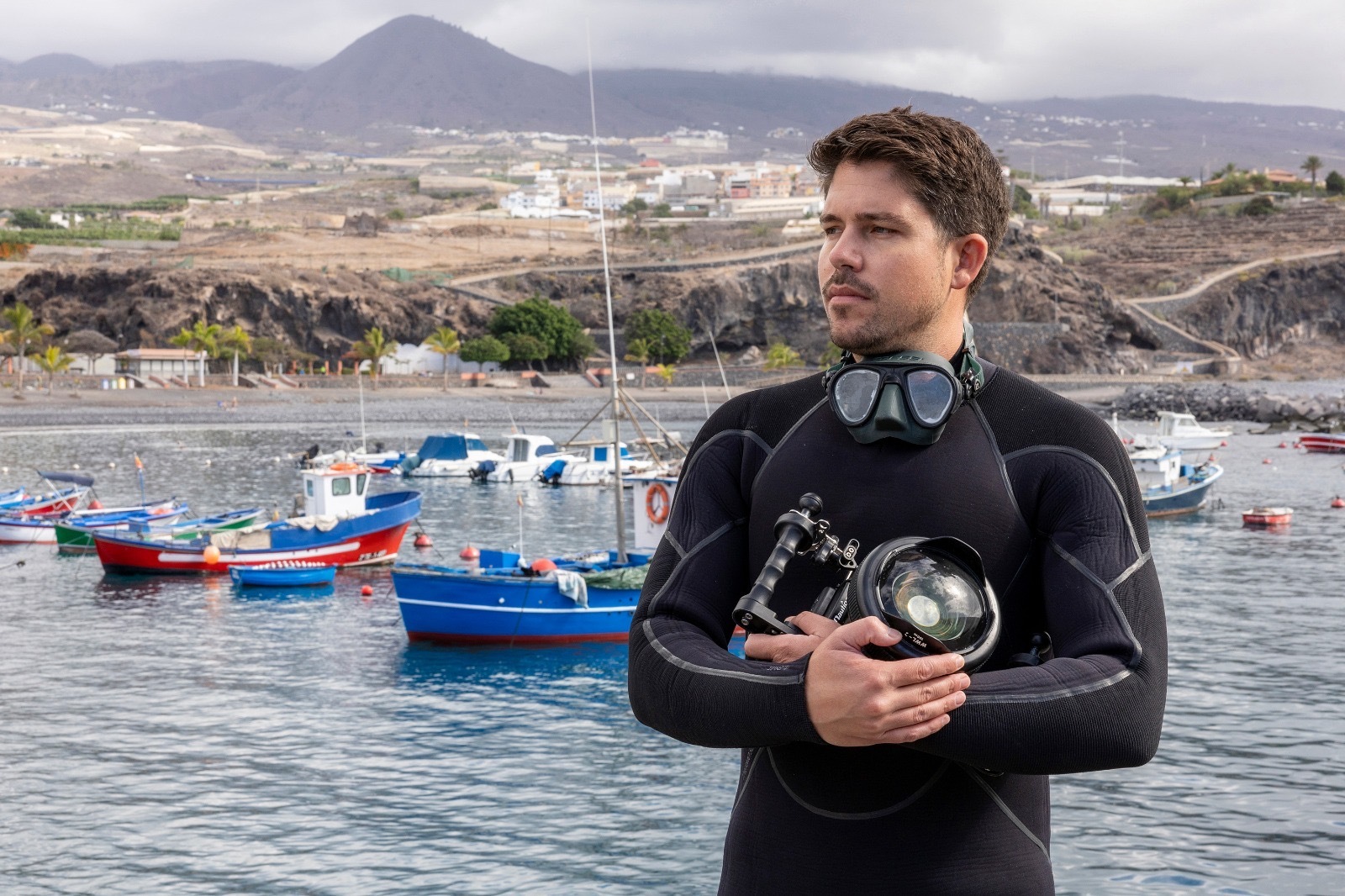
Carlos’ path into marine conservation was shaped by contrast. With a background in engineering, he was trained to think in terms of development, infrastructure, and progress. But exposure to the real-world consequences of those decisions on marine ecosystems led him to question how growth and environmental protection could coexist.
“I realized that many development decisions were putting fragile marine ecosystems at risk. That contrast—between progress and protection—was a defining moment for me and pushed me toward marine conservation and the blue economy as a way to create solutions that benefit both people and the ocean.”
This realization became the foundation of his work today: developing approaches that don’t frame conservation and development as opposites, but as challenges that must be addressed together.
A Day in the Life
No two days look the same in Carlos’ role.
His work is a mix of strategic planning, scientific collaboration, field engagement, and travel.
“On a typical day, I might be working with researchers and partners on conservation projects, reviewing data or reports, meeting with policymakers and stakeholders, and supporting education and outreach initiatives."
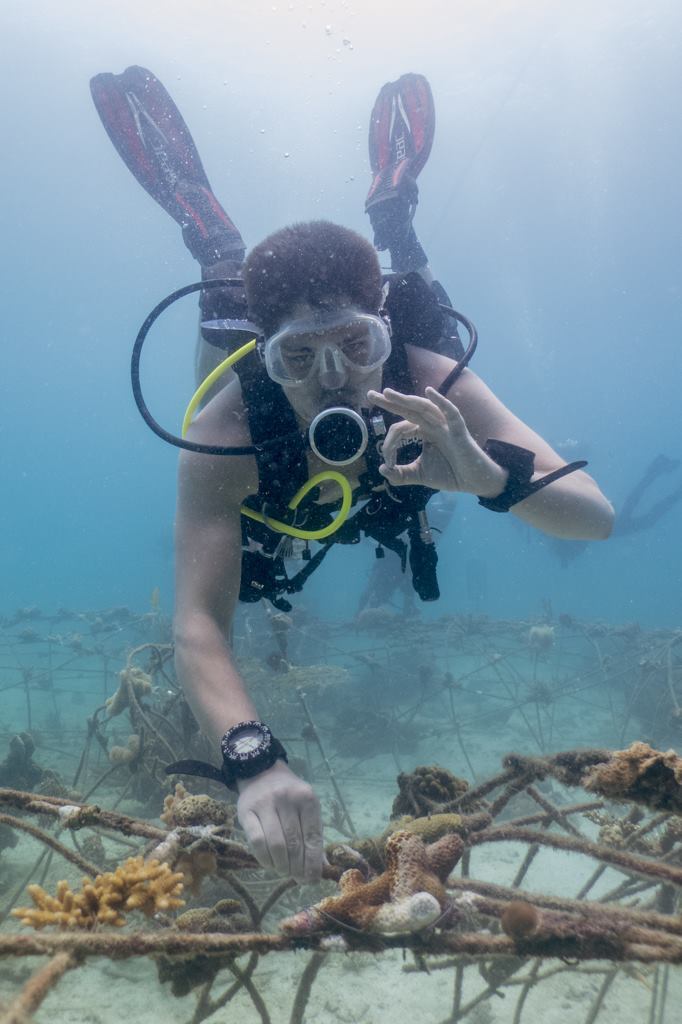
Whenever possible, he also spends time in the field, maintaining a direct connection to the marine environments his organization works to protect.
The Exciting and Challenging Aspects of the Job
For Carlos, the most rewarding part of his work is seeing tangible impact.
“The most exciting part of my work is when science, collaboration, and action come together to protect marine life.”
One particularly powerful experience took place in Costa Rica, where Carlos and his team helped rescue two humpback whales entangled in fishing lines.
“Being directly involved in freeing such magnificent animals was incredibly powerful and reinforced why this work matters so much.”
At the same time, the role comes with significant challenges. Carlos highlights the constant pressure of confronting powerful interests and defending science-based decisions.
“There’s also ongoing uncertainty around funding, which can be stressful and unpredictable. Those pressures are part of the job that people don’t always see.”
Despite these challenges, resilience and a strong sense of responsibility remain essential drivers in his work.
Key Skills for Success
Carlos emphasizes that motivation starts with a deep personal connection to the ocean.
“A genuine love for the ocean is the foundation — it’s what keeps you going through the challenges.”
Beyond that, a combination of technical and soft skills is crucial.
-
Technical Skills:
-
Strong scientific understanding of marine ecosystems
-
Data analysis and evidence-based decision-making
-
Knowledge of conservation and environmental systems
-
-
Soft Skills:
-
Communication and leadership
-
Teamwork and collaboration
-
Resilience and adaptability
-
Ability to engage diverse stakeholders and manage conflict
-
“Being able to communicate, adapt to uncertainty, and stay persistent makes a real difference in this field.”
Work-Life Balance & Career Satisfaction
Carlos describes his current income and work-life balance as acceptable, though not without room for improvement.
“It’s decent, but there’s room for improvement — especially when it comes to flexibility.”
Like many leadership roles in conservation, the work can be demanding, requiring constant commitment and long-term focus.
Future Outlook: Where is the Industry Heading?
Looking ahead, Carlos hopes to see his role evolve — and eventually become less central.
“In the next 10 years, I hope Innoceana can become fully independent of me, with strong teams and systems that allow it to thrive long term.”
Personally, he sees his work moving further toward nature-based solutions that connect conservation, climate action, and sustainable development.
On a broader level, Carlos believes the Blue Economy will increasingly need professionals who can bridge multiple disciplines.
“I think we’ll see growing demand for roles that combine science, policy, finance, and community engagement to scale real, ocean-positive solutions.”
Career Advice for Aspiring Professionals
If he could give his younger self one piece of advice, Carlos keeps it simple and honest:
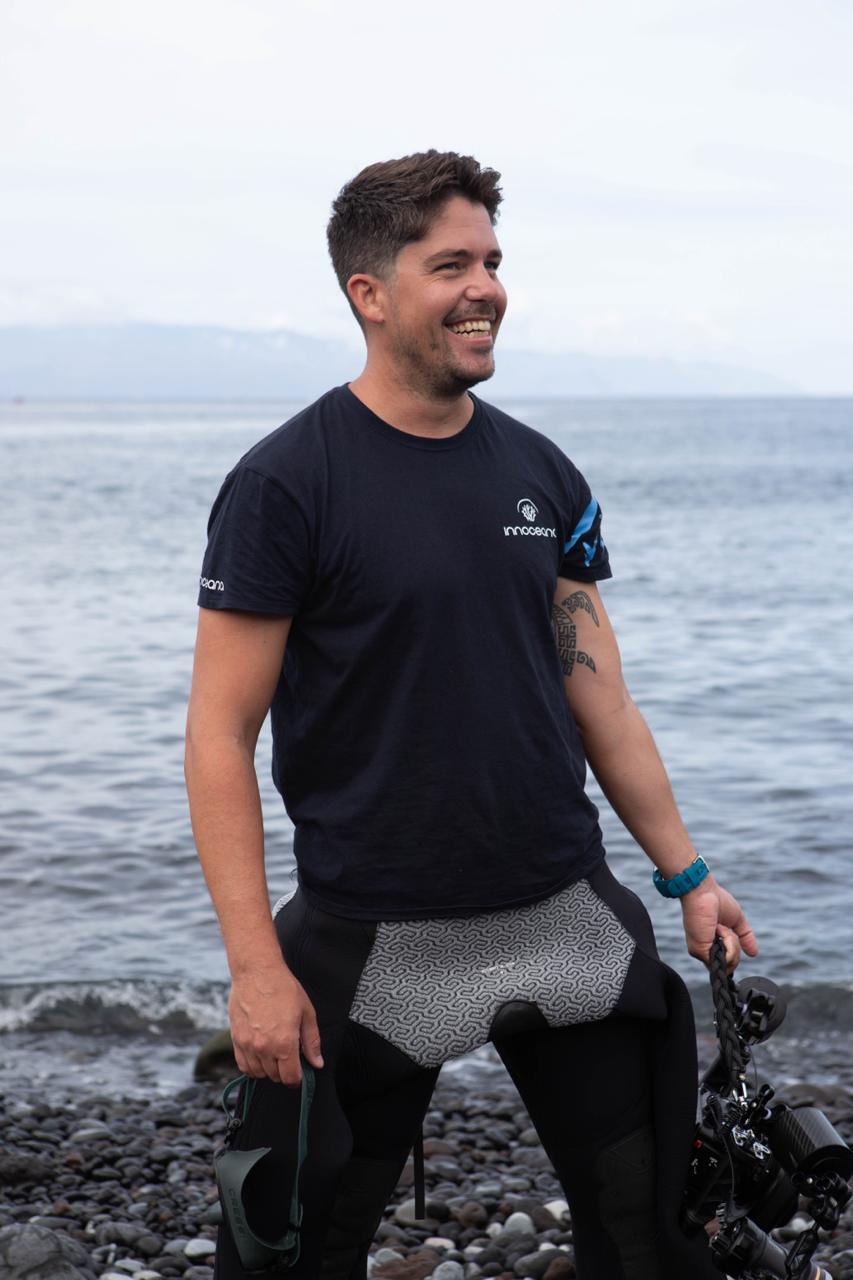
“I would tell my younger self to trust your intuition and stay persistent. The path won’t be linear, and there will be setbacks and doubts. But its all worth it!”
Follow Carlos' Work
-
Instagram: @innoceana
- Website: www.innoceana.org
Stay tuned for more inspiring interviews with professionals shaping the future of the Blue Economy!
📢 Know someone with an exciting career in marine sciences or the Blue Economy? Let us know—we’d love to feature them!
