Exploring Careers in the Blue Economy: Interview with Janina Rossiter - Ocean Artist & Activist
The Blue Economy is not only driven by research vessels, policy frameworks, and scientific reports. It is also shaped by those who translate complex environmental challenges into stories that move people to care. Creativity can be just as powerful as data when it comes to protecting the ocean.
In this edition of our interview series, we’re speaking with Janina Rossiter — a freelance illustrator and ARTivist whose work brings together art, environmental education, and ocean advocacy. Through visual storytelling and hands-on school workshops, she empowers young people to see themselves as active participants in protecting the planet.
Meet Janina Rossiter
- Current Role: Freelance Illustrator & ARTivist
- Industry: Environmental Communication, Creative Advocacy, Blue Economy
- Focus Areas: Ocean awareness, school workshops, visual storytelling, environmental education
- Platforms: Independent creator, school educator, environmental collaborator
What inspired you to pursue this path?
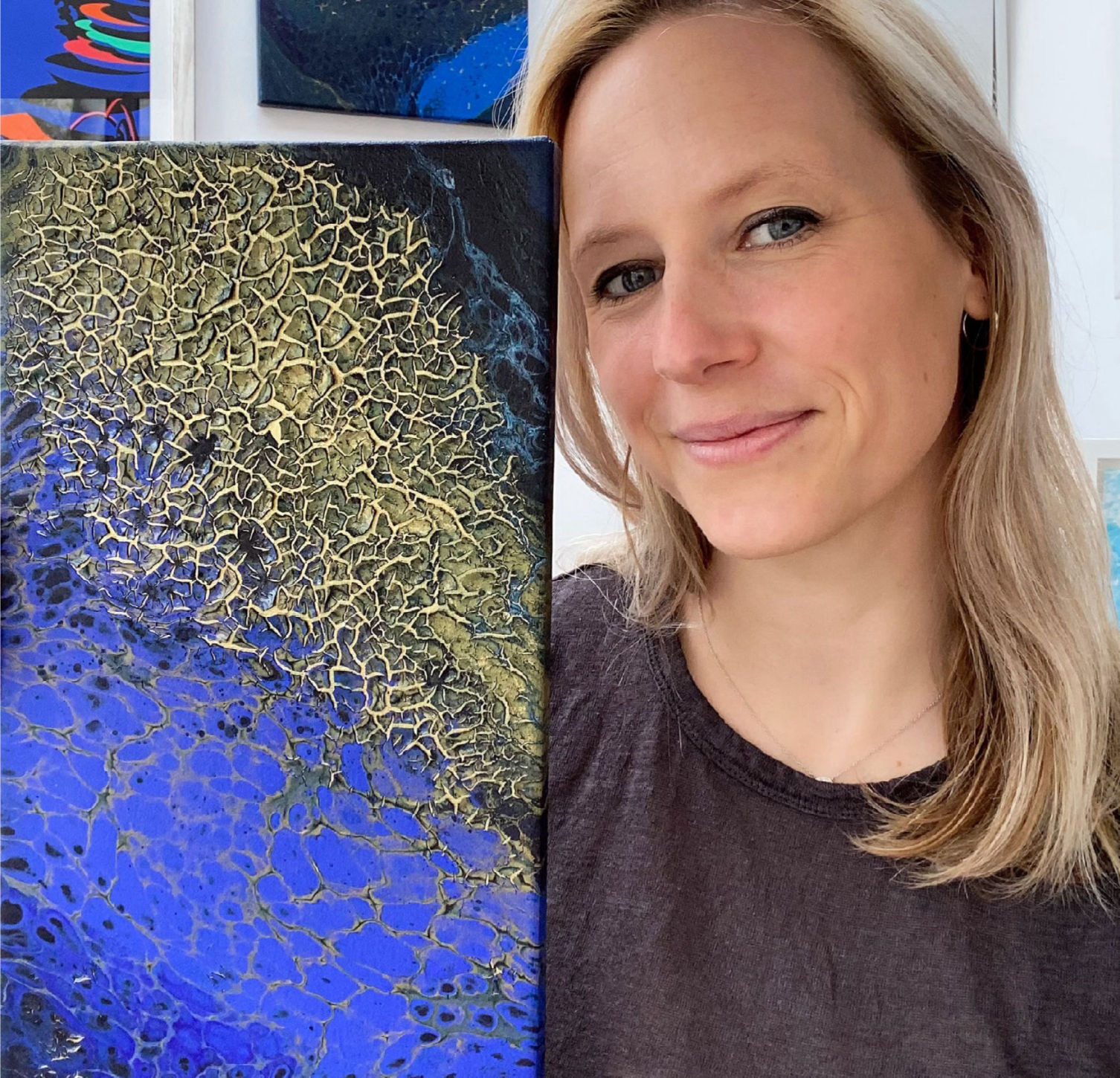
Janina’s journey into ocean advocacy did not begin in academia, but in a deeply personal moment.
About seven years ago, she visited an aquarium with her daughter and watched a show about plastic pollution. The experience left a lasting impression and sparked a strong sense of responsibility.
“I realised I could use my art to raise awareness and inspire action. Becoming an ARTivist allowed me to combine creativity with environmental advocacy and contribute to ocean conservation in my own way.”
Although she is not a marine biologist by training, her work demonstrates that protecting the ocean requires more than scientific expertise alone. It also requires emotional connection and communication.
A Day in the Life
Janina’s days are a blend of creative studio work and educational outreach.
Most of her time is spent at home developing illustrations and visual concepts for clients. Alongside freelance projects, she dedicates significant time to what she calls “school ARTivism.”
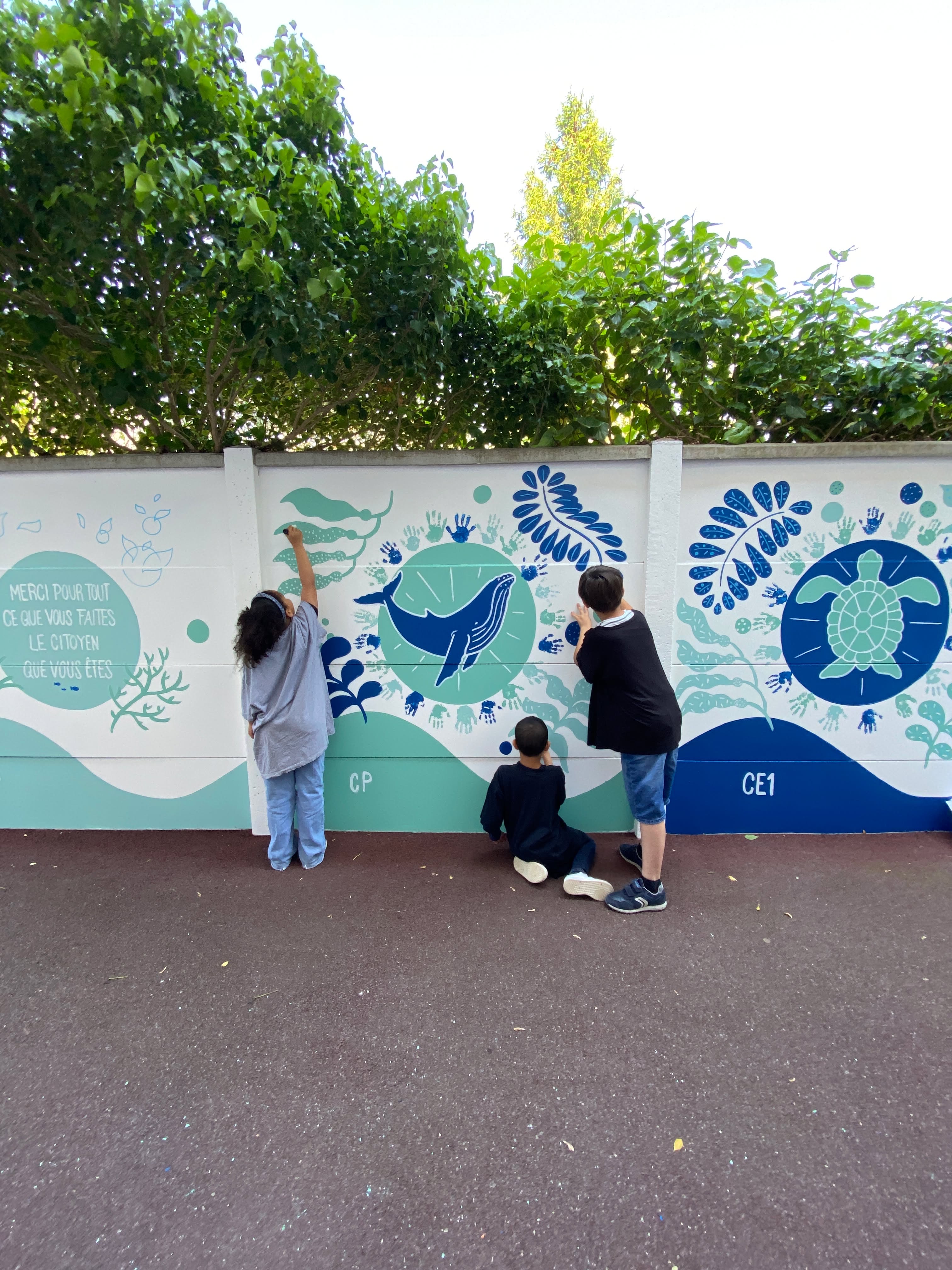
Since 2018, she has been visiting schools to run immersive three-hour workshops where children explore ocean issues through storytelling, nature objects, and art creation.
“In these sessions, each child creates an artwork that carries a personal message to themselves and to the planet. The goal is that they leave feeling empowered — like small ARTivists who understand their own impact.”
The combination of independent studio work and interactive classroom engagement makes her role both flexible and deeply human.
The Exciting and Challenging Aspects of the Job
For Janina, the most rewarding moments happen when children connect emotionally with environmental topics.
“The most exciting part is seeing the moment when a child realises that their artwork can carry a message and that their voice matters.”
She has witnessed powerful creativity during workshops — ideas so strong and imaginative that they surprise even her.
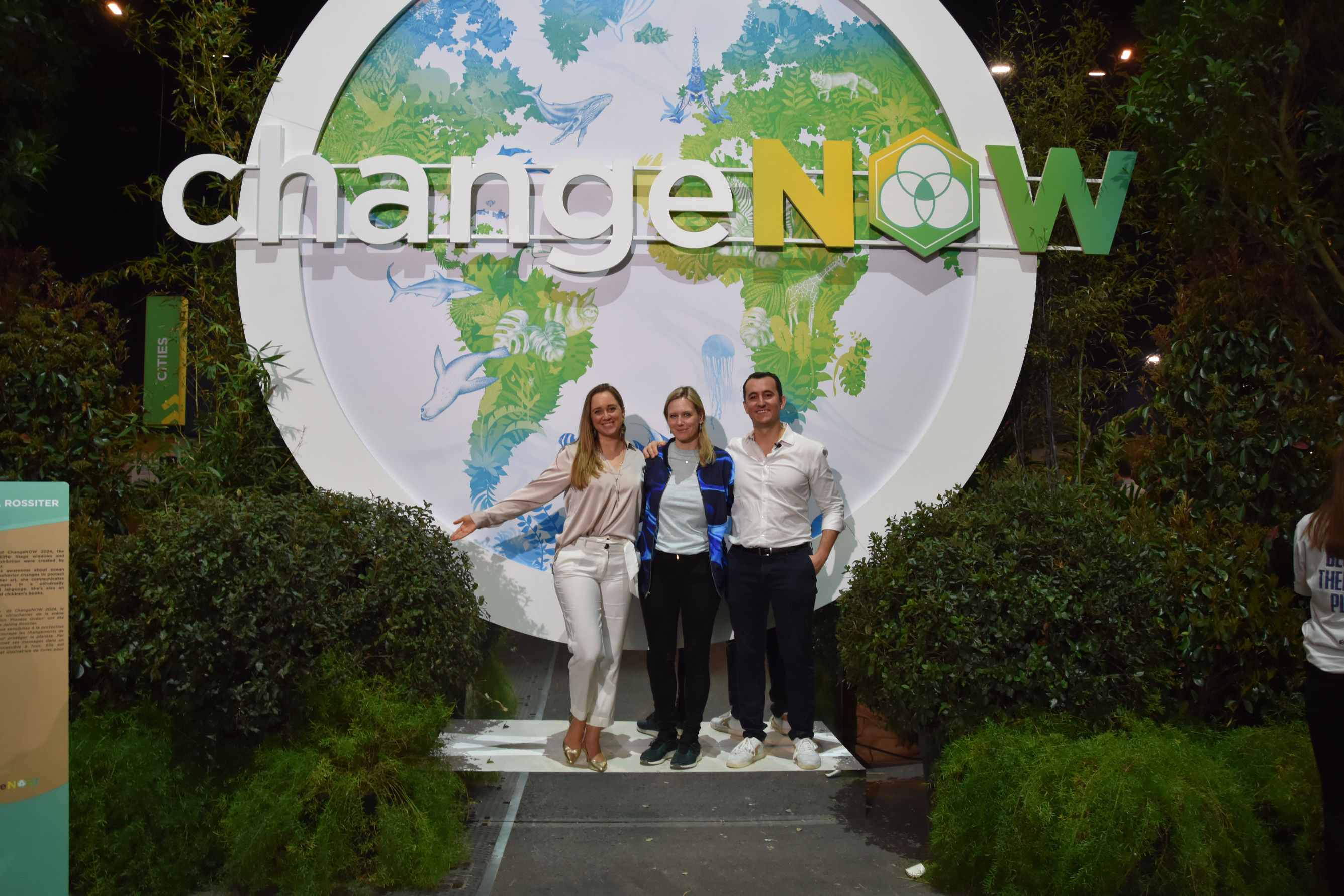
Her work has also reached international platforms. In 2021, one of her illustrations — a mangrove tree — was selected for exhibition in the VIP area of COP26 in Glasgow, highlighting the importance of protecting often-overlooked ecosystems.
At the same time, her career comes with challenges. Transitioning from commercial design work in Paris to environmental ARTivism meant accepting fewer well-paid opportunities. Funding and financial stability in the environmental sector can be unpredictable.
She also highlights the emotional weight of discussing topics such as pollution or endangered species with children. Communicating urgency without causing fear requires careful balance.
“Helping students feel empowered rather than discouraged is essential. Hope is a powerful tool.”
Key Skills for Success
Janina emphasises that working as a freelance ARTivist requires both technical and interpersonal strengths.
Technical Skills:
Illustration and communication design
Creative software proficiency (e.g. Adobe tools)
Visual storytelling and concept development
Soft Skills:
Empathy and the ability to inspire
Clear communication
Organisation and time management
Self-motivation and adaptability
“In schools, you need to connect with children in a way that sparks curiosity while still explaining complex environmental issues. That balance is key.”
Work-Life Balance & Career Satisfaction
Janina describes her income as neutral — fair, but not great — particularly compared to her previous work in luxury design.
However, she expresses strong satisfaction with her work-life balance. The flexibility of freelancing allows her to structure her time in a way that supports both her creative work and family life.
Future Outlook: Where is the Industry Heading?
Looking ahead, Janina believes creative communication will become increasingly important in tackling global environmental challenges.
“I see more collaboration between artists, scientists, educators and NGOs. Art and storytelling can make complex science accessible and meaningful — especially for young people.”
She expects digital tools, immersive storytelling, and online education formats to expand the reach of environmental ARTivism. Over time, she hopes that creative environmental education will become more integrated into school systems.
Ultimately, she sees her role continuing at the intersection of art, advocacy and education — inspiring connection, curiosity and action.
Career Advice for Aspiring Professionals
If she could give her younger self one piece of advice, Janina would encourage earlier alignment between values and work.
“I was inspired early on by figures like Al Gore, but I spent many years working for industries I didn’t fully believe in. I would tell my younger self to follow that environmental passion sooner.”
While financial stability can be more challenging in purpose-driven work, she finds deeper fulfilment in knowing her creativity contributes to positive change.
Follow Janina's Work
- Instagram: @janinarossiter
- Website: www.janinarossiter.com
- LinkedIn: Janina Rossiter
Stay tuned for more inspiring interviews with professionals shaping the future of the Blue Economy!
📢 Know someone with an exciting career in marine sciences or the Blue Economy? Let us know—we’d love to feature them!
