Exploring Careers in the Blue Economy: Interview with Lau Corredor - Marine Environmental Scientist

From fieldwork beneath the waves to policy reports shaping the future of ocean protection, careers in the Blue Economy are as diverse as the ocean itself. In this series, we continue to spotlight professionals whose work is driving change across the blue sectors—sharing their journeys, insights, and advice for those inspired to make a difference.
Our next guest is Lau Corredor, a Spanish marine biologist whose career reflects a deep and lifelong connection to the ocean. With expertise spanning marine biology, waste management, and circular economy, Lau combines her scientific background with strong analytical skills to support marine ecosystem restoration. She currently works in Marine Protected Areas Management in Madrid, where she writes, monitors, and analyzes restoration plans to help meet European conservation goals.
Meet Lau Corredor
-
Current Role: Marine Biologist & Ocean Data Analyst
-
Industry: Marine Conservation, Environmental Policy, Ocean Management
-
Focus Areas: Marine Protected Areas, Data Analysis, Restoration Planning
What inspired you to pursue a career in marine biology?
For Lau, the journey began with a childhood dream—and a touch of humor.
"When I was three years old, my mother took me to an aquarium to see a dolphin show. I told her I wanted to be a ‘dolphin babysitter.’ She explained that the correct name was Marine Biologist. From that moment, I dedicated my life to becoming one."
That early fascination evolved into a lifelong commitment to understanding the ocean’s mysteries.
"The more I studied and learned about the ocean—its dynamics, physics, and ecosystems—the more I fell in love with it. My career path has been a continuous reaffirmation of that childhood dream."
A Day in the Life
Lau’s current role focuses on analyzing and reporting environmental data that inform marine conservation decisions at the national and European level.
"My job involves reviewing and extracting key data from Marine Protected Area Management Plans in Spain. This helps monitor progress, identify gaps, and support the achievement of European objectives for ocean conservation."
While much of her work is analytical and office-based, it also allows her to visit Marine Protected Areas and witness firsthand the impact of her efforts.
The Exciting and Challenging Aspects of the Job
"Even though my role may seem administrative, I truly enjoy it because it contributes directly to protecting what I love most: the ocean."
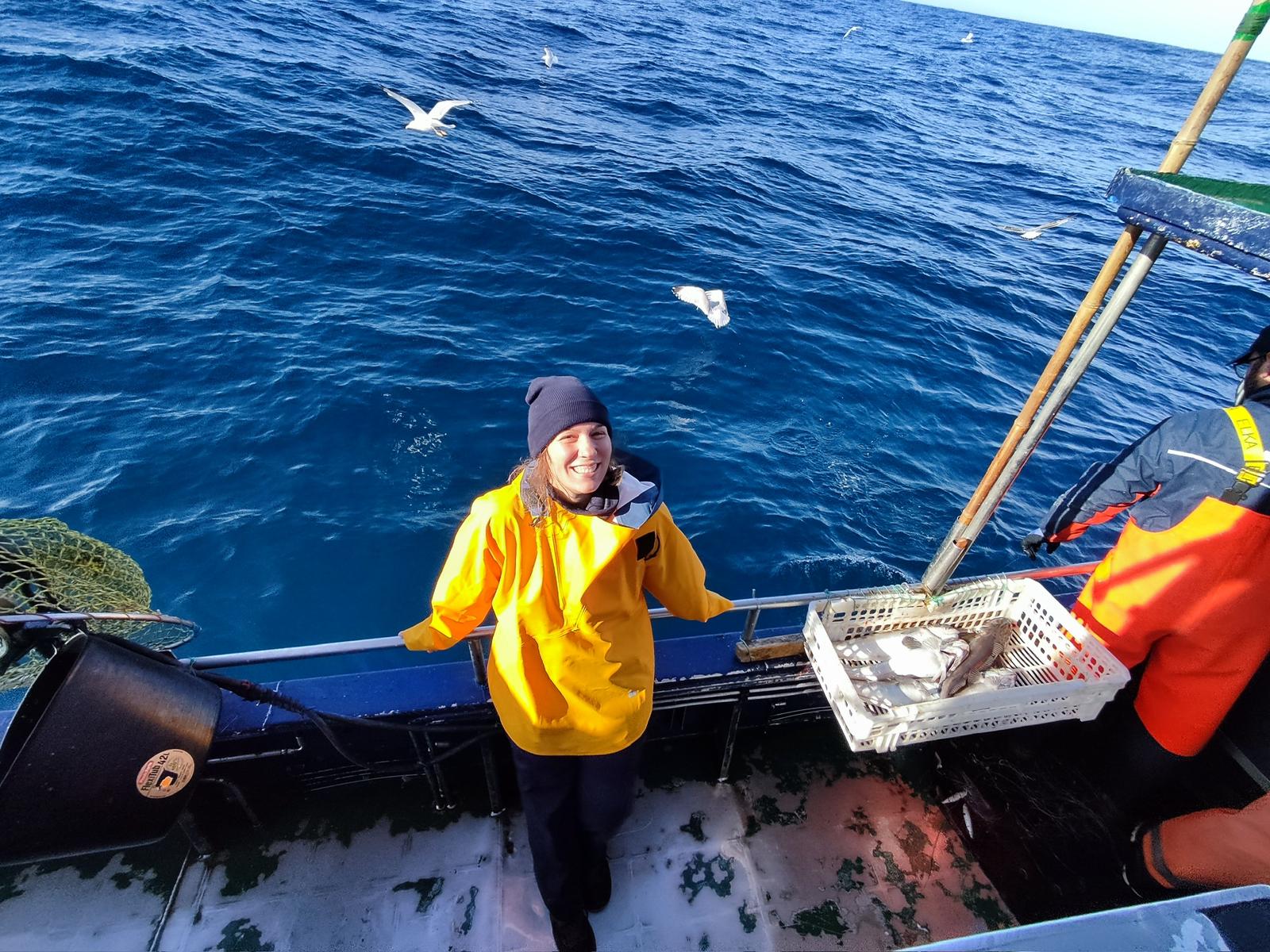
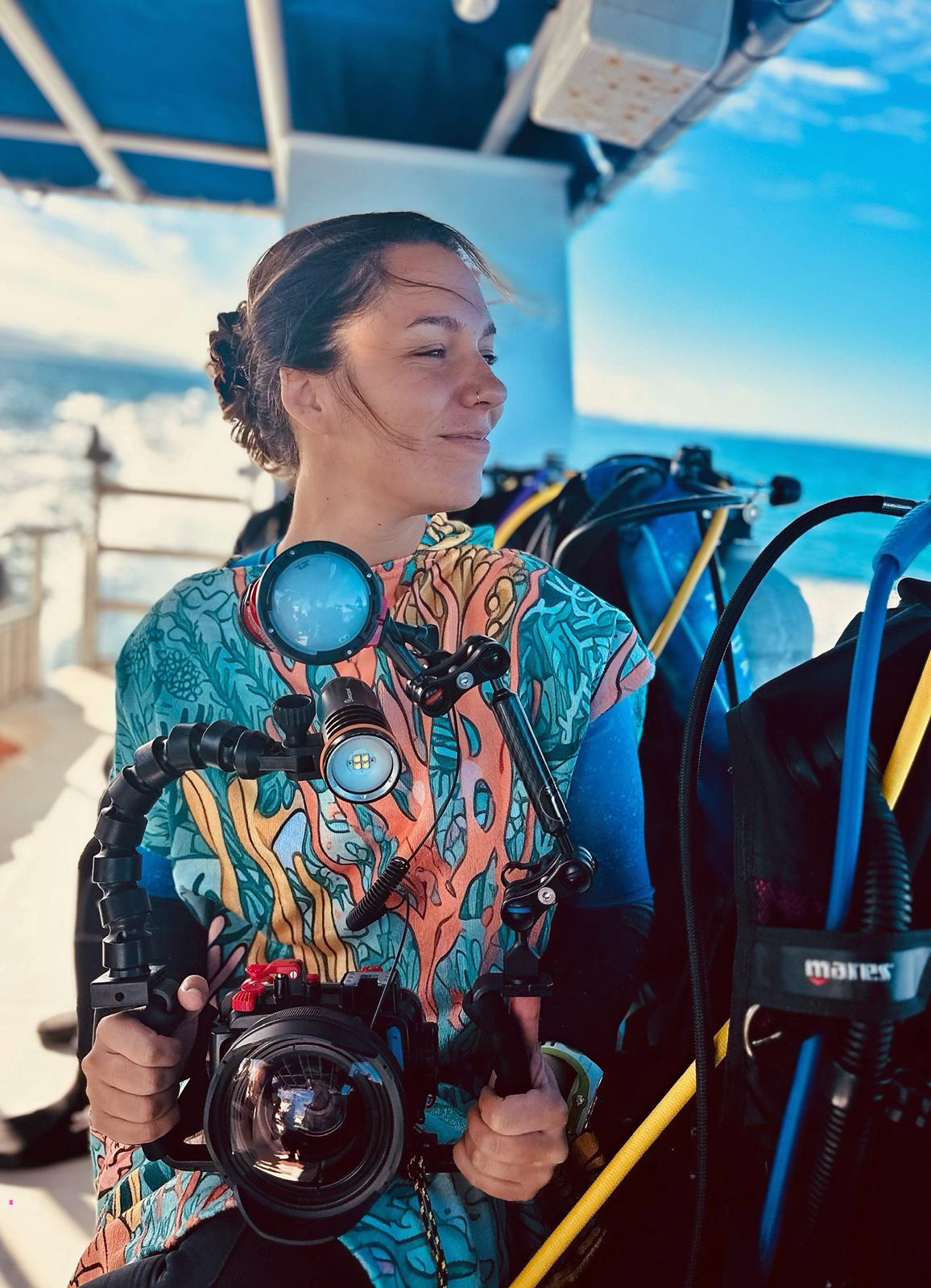
Before moving into management and analysis, Lau spent years working in the field—as a diving instructor, conservationist, and commercial diver. Her experiences include working abroad, on fishing vessels in the North Atlantic, and in various marine projects.
"I could easily write a book about those years. That’s one of the greatest gifts marine biology has given me: a life full of memories."
But like many careers in the marine sciences, it’s not without challenges.
"It can be difficult to find stable opportunities in this field. Many positions depend on project funding, and it takes resilience and hard work to find your place. Financial stability can take time, but the knowledge and experiences you gain make it all worthwhile."
Key Skills for Success
Lau emphasizes the growing importance of data literacy and technological skills in marine science.
-
Technical Skills: Data science, data analytics, statistics, bioinformatics, cartographic analysis, and GIS tools like ArcGIS or QGIS.
-
Soft Skills: Curiosity, humility, adaptability, proactive communication, and teamwork.
"Knowledge in data analysis and GIS can truly make a difference—it’s a safe bet for the future. But soft skills are just as important. Being proactive, humble, and curious opens many doors early in your career."
Work-Life Balance & Career Satisfaction
Lau feels fortunate to have a healthy work-life balance:
"I have enough time off and a great balance between work and personal life, which helps me stay motivated."
However, like many early- and mid-career scientists, she’s candid about one major challenge:
"I am very dissatisfied with my salary. It doesn’t reflect the skills, experience, or workload required for my position."
Future Outlook: Where is the Industry Heading?
Lau believes the future of marine science lies at the intersection of data, technology, and communication.
"Data science is the future of ocean science. We have so much valuable information collected over the years, but many of us don’t fully know how to analyze it. There’s a wealth of knowledge hidden in that data—it’s our responsibility to unlock it."
Beyond data, she sees communication and public engagement as crucial.
"As Sir Mark Walport said, ‘Science is not finished until it’s communicated.’ Ocean outreach is becoming more important than ever—and also one of the most fun and rewarding ways to share the ocean’s wonders with others."
Career Advice for Aspiring Professionals
"In the early stages of your career, learn technological tools - ArcGIS, Python, statistics. Don’t focus solely on fieldwork; developing analytical and digital skills will open many doors."
Lau also encourages young professionals to be proactive and seek out opportunities beyond the classroom:
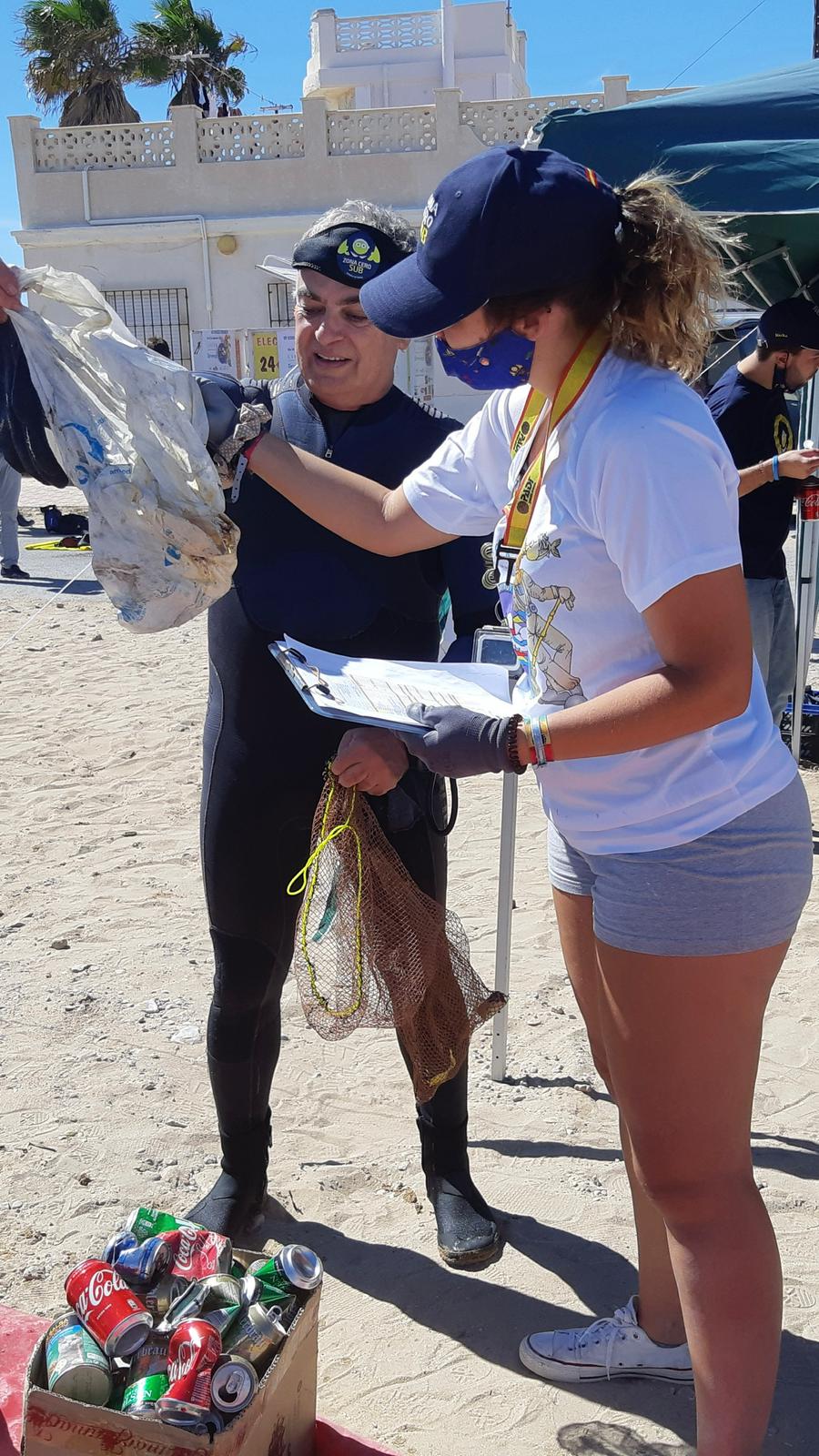
"Talk to your teachers, attend conferences, volunteer, join citizen science projects. Opportunities rarely fall from the sky—they’re hidden in these connections. Get involved and be dynamic. You never know when magic will happen."
Follow Lau's Work
To learn more about Lau’s work and ocean adventures, follow her on Instagram:
-
Instagram: @laucorredor.diving
Stay tuned for more inspiring interviews with professionals shaping the future of the Blue Economy!
📢 Know someone with an exciting career in marine sciences or the Blue Economy? Let us know—we’d love to feature them!
